
A cup of tea should be something to look forward to. If yours regularly tastes bitter, the problem may be the way it is being brewed. Water temperature, infusion time and the amount of tea you use all influence the final flavour, and a few small changes can help you find a smoother, more balanced cup.
In short
- Bitterness usually comes from water that is too hot or leaves left in too long.
- Green tea is the most sensitive: try around 80°C for 2–3 minutes.
- Change one thing at a time: temperature, time or amount.
- Fruit and herbal infusions are forgiving, and rarely turn bitter.
1. Check the water temperature
Different teas suit different water temperatures. Green tea, for example, is brewed with cooler water than black tea. Pouring boiling water straight onto a delicate green tea can contribute to a harsh or bitter flavour. In one 2026 study, higher brewing temperatures and longer steeping drew more caffeine out of green and black tea, and tasters liked the result less (Lembono et al., 2026).
Check the instructions on your tea and use the recommended temperature. No thermometer? Boil the kettle, then leave it to stand with the lid open for a few minutes before pouring.
2. Reduce the brewing time
Leaving tea to infuse for too long can produce a stronger, more astringent cup. If your tea tastes bitter, try shortening the infusion slightly, and make a note of the result so you can find the timing that suits you. As a guide: green tea 2–3 minutes; white, oolong and black tea 3–5 minutes.
3. Check how much tea you are using
Too much tea can make a very strong cup. Measure the leaves according to the packaging: for tea leaves, about 1 teaspoon (2–3g) per cup. If the result is still too strong, use slightly less next time. If you want more flavour without bitterness, a little more leaf with a shorter brew often works better than a longer brew. See how much loose leaf tea per cup.
4. Use fresh water
Freshly drawn water is a good starting point for brewing tea. The character of your water also affects the finished drink: the UK Tea & Infusions Association notes that hard or soft tap water can change the taste, and a filter may help. If your tea consistently tastes unpleasant, consider whether your local water is a factor.
5. Give the leaves room
Loose leaf tea needs space to infuse. If the leaves are packed tightly into a small infuser, they may not have enough room to move. Use an infuser that suits the amount of tea you are brewing, or see how to make loose leaf tea without a teapot.
6. Do not use the same method for every tea
Black tea, green tea, white tea, oolong and fruit infusions are not all brewed in the same way. Use the instructions supplied with the particular blend rather than relying on one standard method. Processing matters too: oxidation, as in black tea, and roasting, as in some oolongs, are among the steps known to reduce bitterness and astringency in tea (Ye et al., 2022). Our brewing guide has a table for each type.
7. Try a different tea
Sometimes a flavour simply isn’t to your taste. If you have adjusted the brewing and still don’t enjoy the result, try a different style. You may prefer a softer black tea, a different green tea or a fruit infusion. Fruit and herbal blends are forgiving: a longer steep makes them stronger without the same bitterness. Exploring different flavours is part of the pleasure of tea.
A better cup starts with small adjustments
If your tea tastes bitter, don’t immediately assume the leaves are the problem. Start by checking the temperature, quantity and infusion time. Change one thing at a time and taste the difference.
- Fruit & Herbal Teas
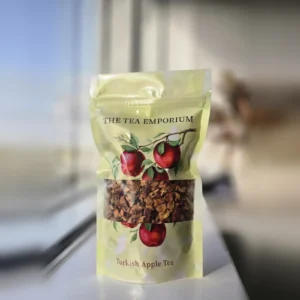
Turkish Apple Tea
£10.00 / 100g
Tasters from £3.00Sweet, tangy baked appleCaffeine-freeChoose size This product has multiple variants. The options may be chosen on the product page - Fruit & Herbal Teas
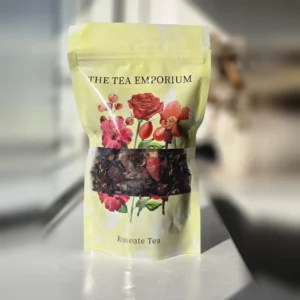
Roseate Tea
£10.00 / 100g
Tasters from £3.00Floral rose and tart berries; brews ruby redCaffeine-freeChoose size This product has multiple variants. The options may be chosen on the product page - Green Tea Blends
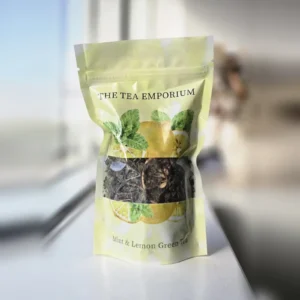
Mint & Lemon Green Tea
£10.00 / 100g
Tasters from £3.00Cool mint, zesty lemon and light green teaChoose size This product has multiple variants. The options may be chosen on the product page
Sources
- Lembono et al. (2026), The Effects of Brewing Condition on Tea’s Caffeine Content and Sensory Quality, Jurnal Mutu Pangan 13(1)
- Ye et al. (2022), Bitterness and astringency of tea leaves and products, Trends in Food Science & Technology
- UK Tea & Infusions Association: The Perfect Brew
- Brewing amounts, temperatures, times, ingredients and storage advice: The Tea Emporium product records, November 2026
← Back to the Tea Guide · How to brew loose leaf tea · Shop our teas